
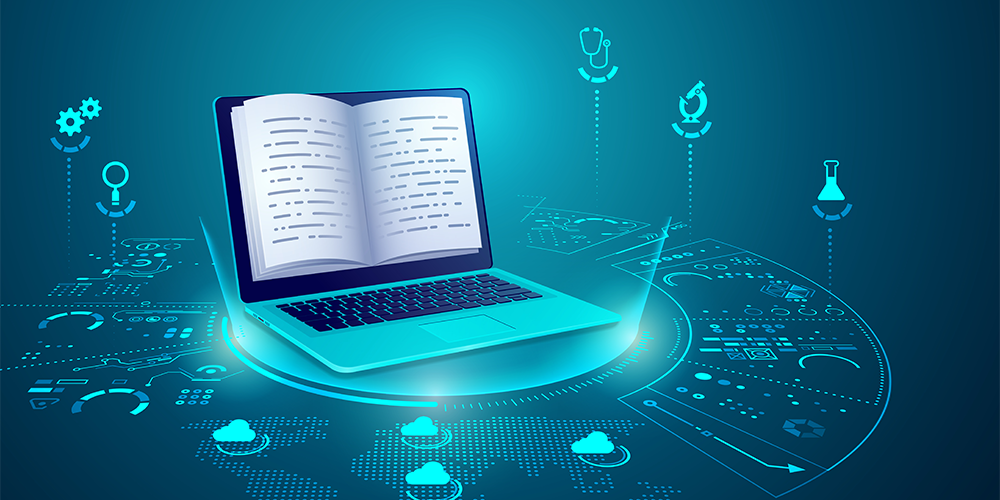


Technology has become one of the most powerful forces transforming education across the world, and India is no exception. With a large and diverse population, India faces challenges such as unequal access to quality education, shortage of trained teachers, and gaps in infrastructure. Technology is helping bridge these gaps and is reshaping the way students learn, teachers teach, and schools operate.
1. Improving Access to Education
One of the biggest advantages of technology in education is increased accessibility. Through digital platforms, online classes, and learning apps, students from remote and rural areas can now access quality educational resources that were previously limited to urban institutions. Smartphones, tablets, and internet connectivity allow students to learn anytime and anywhere.
Government initiatives such as digital classrooms and online learning platforms have helped bring education closer to millions of students who otherwise had limited access to quality learning materials.
2. Making Learning More Interactive
Traditional classroom methods often rely heavily on textbooks and lectures. Technology introduces interactive learning through videos, animations, simulations, and virtual labs. These tools help students understand complex concepts more easily.
For example, subjects like science and mathematics become much easier when students can visualize experiments, models, and real-world applications through digital content. Interactive learning also increases student engagement and curiosity.
3. Supporting Teachers with Better Tools
Technology does not replace teachers; instead, it empowers them. Teachers now have access to digital teaching tools, online resources, smart boards, and learning management systems that make teaching more effective.
These tools help teachers prepare better lessons, track student progress, and provide personalized attention to students who need extra support.
4. Promoting Skill-Based Education
The future job market requires skills such as coding, artificial intelligence, robotics, data analysis, and digital literacy. Integrating technology in education prepares students for these emerging career opportunities.
Schools introducing STEM labs, AI learning modules, and robotics education are helping students develop problem-solving abilities, creativity, and technical skills from an early age.
5. Enabling Personalized Learning
Every student learns at a different pace. Technology allows for personalized learning experiences where students can progress according to their own speed and understanding.
Adaptive learning platforms analyze student performance and suggest customized content, exercises, and assessments. This helps students strengthen weak areas while moving ahead in subjects they understand well.
6. Improving School Management
Technology also plays a crucial role in school administration. Digital school management systems and ERP software help manage attendance, examinations, fees, communication with parents, and academic records efficiently.
This reduces administrative workload and allows schools to focus more on improving teaching and learning quality.
7. Preparing India for a Digital Future
India is rapidly moving toward a digital economy. Integrating technology in education ensures that students are equipped with the digital skills necessary for future careers. Digital literacy, online collaboration, and technological adaptability are becoming essential competencies in modern society.
Conclusion
Technology is no longer just an additional tool in education—it has become an essential component of modern learning. In India, it has the potential to bridge educational gaps, enhance learning experiences, and prepare students for a rapidly evolving world. By integrating technology effectively in schools and educational institutions, India can create a more inclusive, innovative, and future-ready education system.